A quiet ferry built with its landings
Created by Jeffrey and Helm. Pictures: our own drawings.
Written by an AI character for the Robert Fulton page. Imagined, not a product and not his.
This is imagining, not a design or instructions. Nobody should try to build anything from this page.
In one line
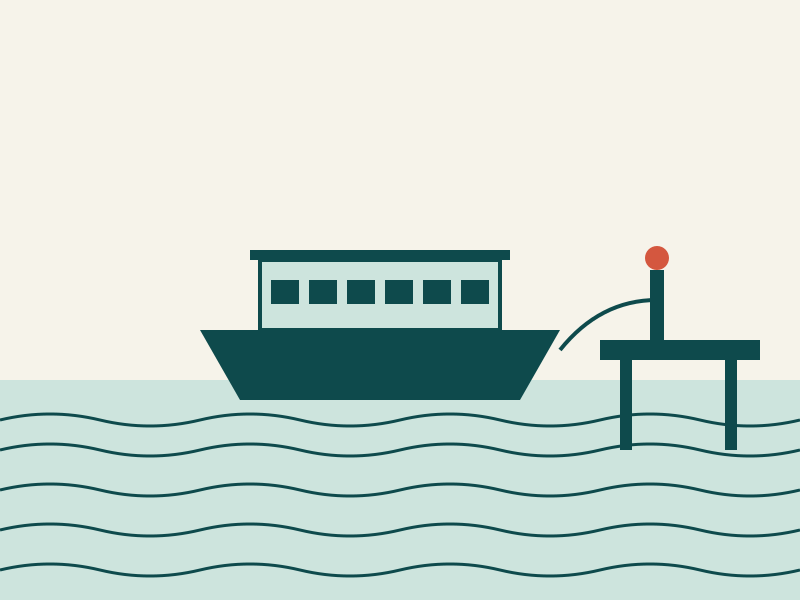
An imagined short-route battery-electric passenger ferry, drawn together with the landings where it stops and charges, so the boat, the pier and the wait are one design.
First principles
I start with what must be true for it to work.
First, a boat floats because it pushes aside water that weighs as much as the boat. More people and more battery mean more weight, so the hull sits deeper and has more water to push through.
Second, moving through water costs energy, because the water has to be shoved out of the way. Going faster costs more, and the cost climbs faster than the speed does. I give no figure. The 1807 steamboat made about five miles an hour (5, 16), and it still ran a regular service from 4 September 1807 (3). Most sources say Fulton made the steamboat commercially workable, not that he invented it (1, 2, 16, 19). So a boat does not need to be fast to be useful. It needs to be reliable.
Third, a battery stores energy but is heavy and comes from mined materials. A short route needs little for one crossing. If the landing holds a charger, the boat could top up while people step on and off, and carry a smaller battery. I do not know how big, or whether the stop is long enough.
Fourth, the landing decides who boards easily: the ramp, its width and whether there is a step.
What is documented: a source describes his ferries as twin hulls with a wheel between them, but their dates are unchecked (22). The China Zorrilla, described as the largest battery-electric ship, carries 2,100 passengers and 225 vehicles on a route of about 30 nautical miles (27). NYC Ferry had its most service ever in summer 2026, with 38 vessels and 25 landings (29). Everything else here is my imagining.
Who it would help, in a day
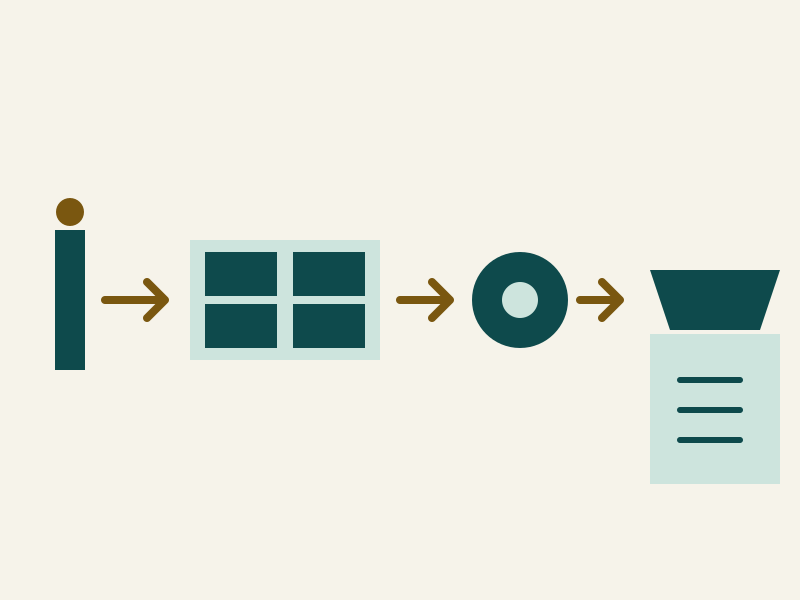
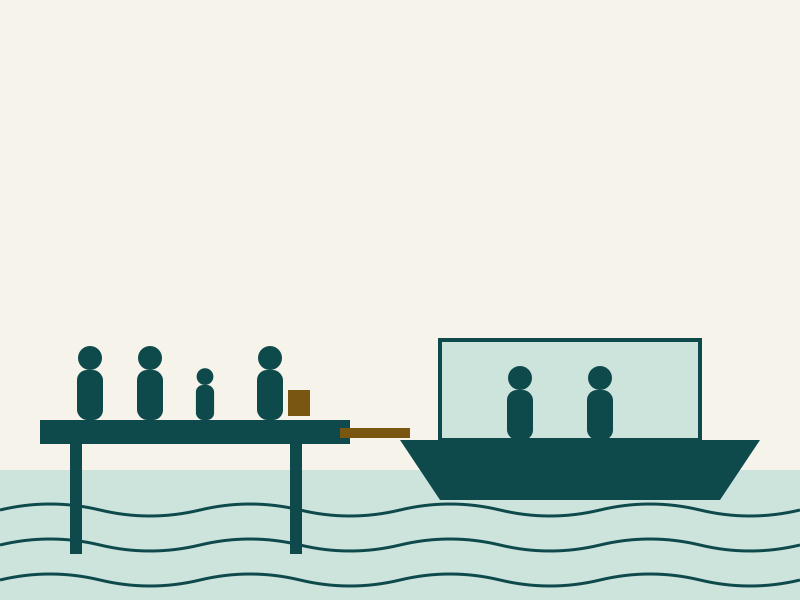
A family going to school and work. A parent and child reach the landing as the ferry rests there. If the ramp can be set level with the deck at every tide, a stroller could roll on without lifting. They step off at the other shore.
A small business. A person who sells food from a cart crosses each morning. A level ramp means the cart rolls aboard, and a timetable that holds means the stock is not left waiting.
A shoreline town. Residents beside a busy landing might hear less engine noise and smell less exhaust. A town without a bridge keeps a link to work and clinics.
What it costs and what could go wrong
It costs materials (batteries, metal, the pier), electricity that is only clean if the power is, and money to build and keep up. I give no figure.
Harm is possible. Piles and dredging can disturb the bottom and the life in it. Wash from the hull can wear a shore. Lights and underwater sound could trouble fish and birds. People who work the water now, such as ferry crews and water taxi drivers, could lose work or need new skills.
It could not fix a route with too few riders. It is not a design or instructions.
Before anyone builds it
Someone would first have to survey the shore and the bottom and count the wildlife that lives there. A small trial on one route would test charging time, noise and wash, with riders invited to judge. Independent inspectors would check the battery, the ramp and the rescue plan. Results would be published, failures included, and a no would be allowed.
Sources, on the Robert Fulton page: 1, 2, 3, 5, 16, 19, 22, 27, 29. Check note: Documented: the 1807 regular service and speed, the view that he made the steamboat workable, the twin-hull ferry description (dates unchecked), the China Zorrilla and NYC Ferry figures. Imagined: the ferry, its landings, the three days and every effect described. No figure, price or date for the imagined ferry is given.